

Contact: IBEX Preclinical Research Inc. Melissa Bruns, AAS Business Development Manager [email protected] (435) 999-5305 Contact: Sus Clinicals, Inc. Vera K. Mehta Director of Business Development [email protected] (779) 247-4615 IBEX PRECLINICAL RESEARCH AND SUS CLINICALS ANNOUNCE STRATEGIC COLLABORATION TO ADVANCE MEDICAL DEVICE RESEARCH LOGAN, UT and CINCINNATI, OH, April 7, 2026 – IBEX Preclinical Research, a […]
Category Archives: Uncategorized
24
Nov
Nov
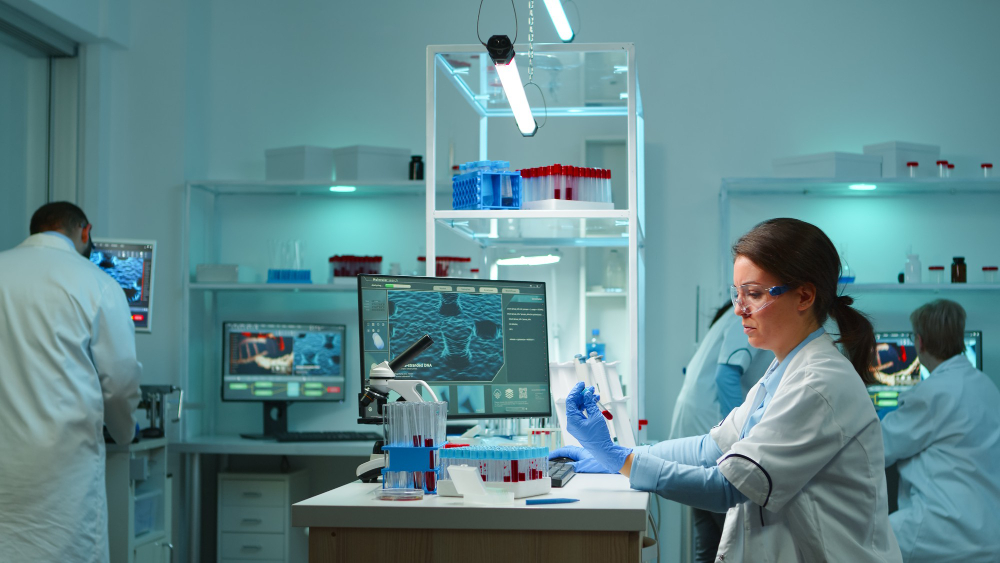
Medical device testing is one of the most critical phases in product development. Whether you are designing cardiac devices, orthopedic implants, surgical tools, or next-generation implantables, preclinical testing determines whether your device is safe, effective, and ready for clinical use. But testing is complex — involving biological models, regulatory expectations, surgical expertise, imaging systems, and […]
19
Nov
Nov
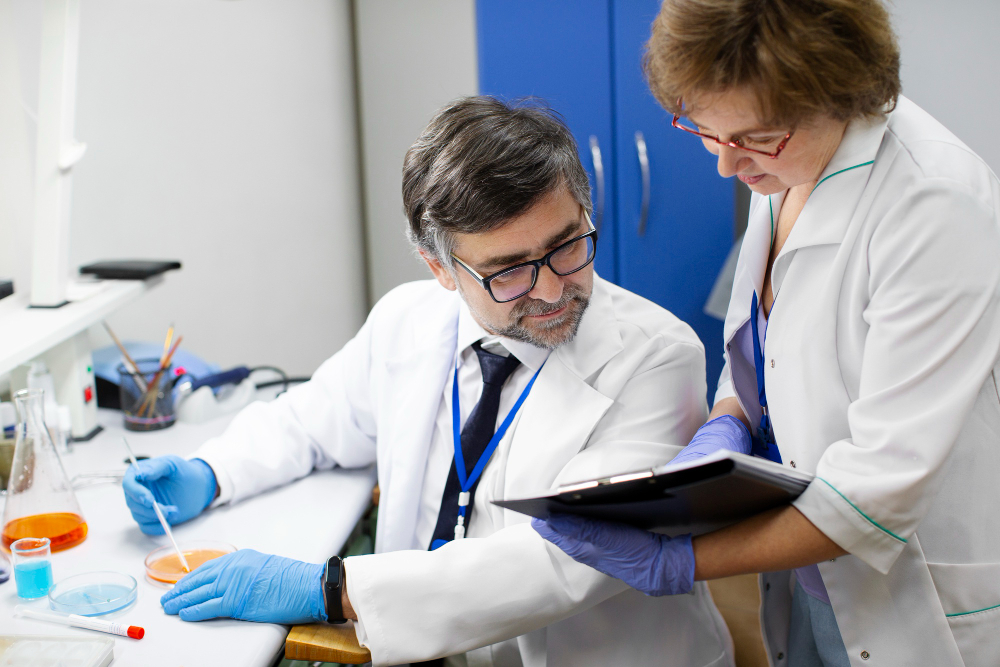
Before a medical device can be used in clinical trials or enter the market, it must undergo rigorous evaluation to ensure it is safe, effective, and ready for human use. This essential phase—preclinical research—forms the scientific backbone of the FDA approval process and helps device developers identify risks, refine design, and build a compelling body […]
13
Nov
Nov
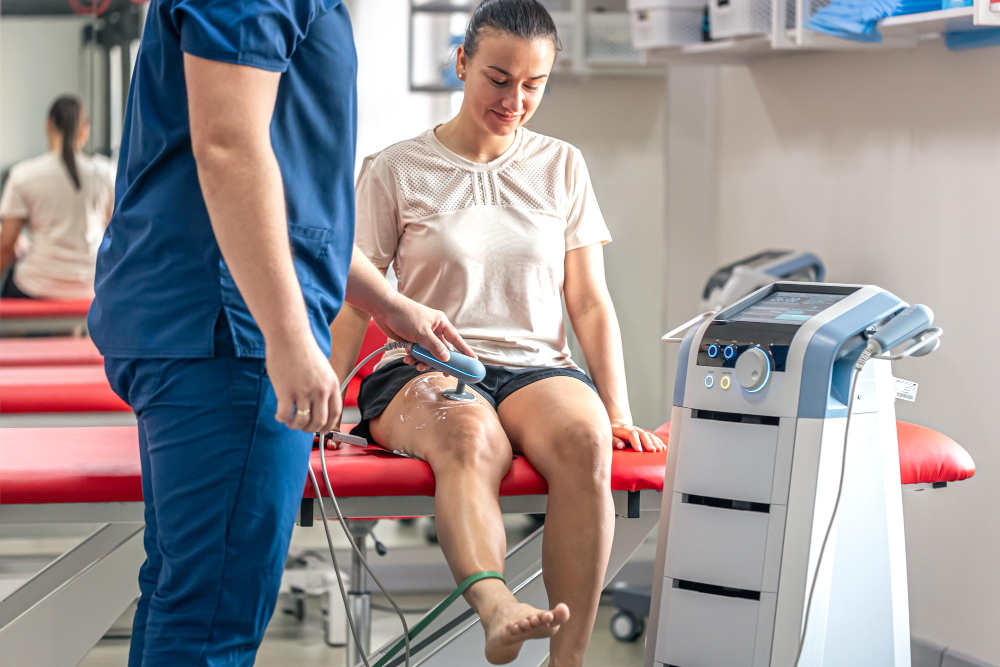
Orthopedic medical devices—such as joint replacements, bone screws, plates, and fixation systems—play a critical role in restoring mobility and improving quality of life for patients. These devices must perform safely and reliably under continuous mechanical stress inside the human body. To ensure this, every orthopedic implant undergoes rigorous preclinical testing to validate its safety, durability, […]

09
Nov
Nov
From implantable cardiac devices to orthopedic implants and diagnostic equipment, medical devices are central to modern healthcare. Their safety and reliability directly affect patient outcomes, making comprehensive testing a critical part of development. Medical device testing ensures that every product—no matter how complex—meets strict performance, safety, and regulatory standards before reaching the market. This guide […]

05
Nov
Nov
In the rapidly advancing world of medical technology, innovation depends on more than creative design—it requires rigorous, reliable testing. Preclinical research is the foundation of safe and effective medical devices, bridging the gap between concept and clinical application. Today, emerging technologies are reshaping how preclinical testing is performed, leading to faster development, more predictive data, […]
04
Nov
Nov
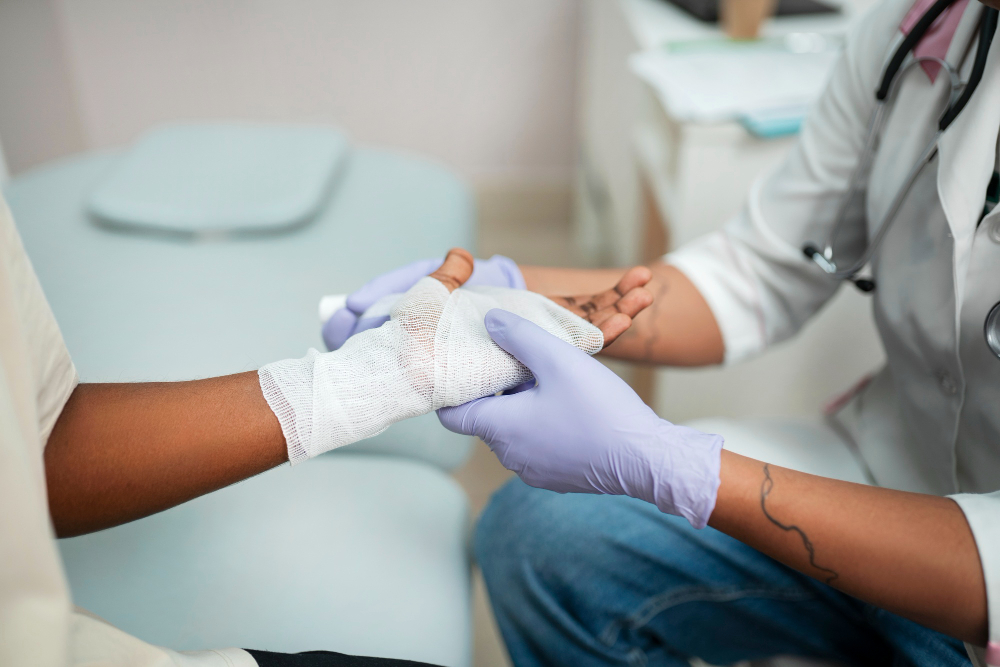
The human body possesses a remarkable ability to heal itself, and nowhere is this more evident than in the skin. As the body’s largest organ, the skin provides a vital barrier against environmental threats while also maintaining hydration and temperature balance. When the skin is damaged—whether by injury, surgery, or disease—a highly coordinated biological process […]
02
Nov
Nov
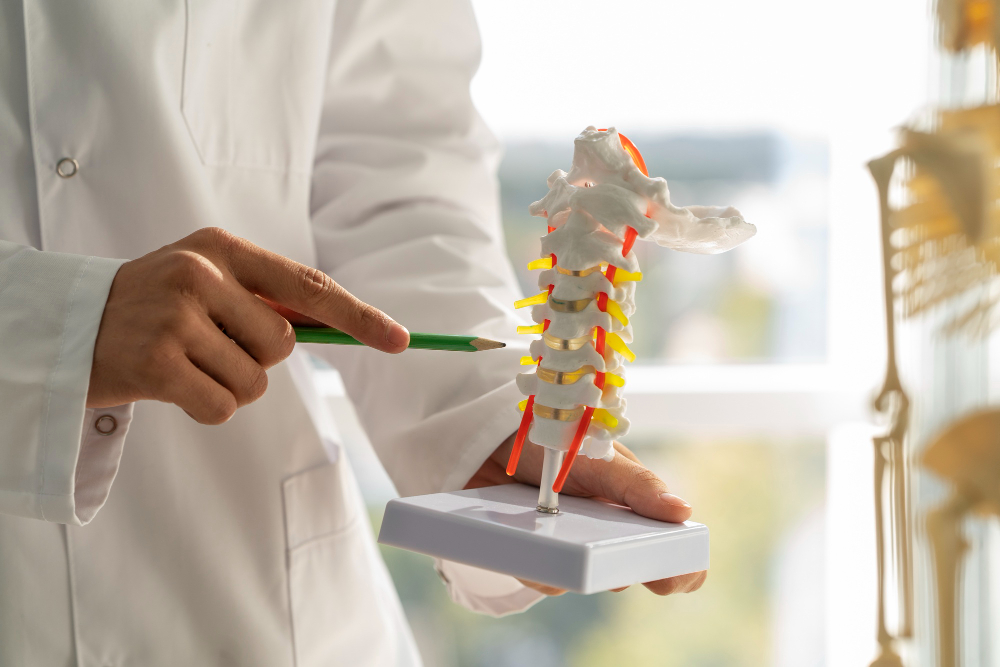
Orthopedic devices such as bone plates, screws, and implants are designed to restore mobility, stability, and function to damaged or diseased bones. But even the most advanced device depends on one critical biological process known as bone regeneration for long-term success. Bone regeneration is the body’s natural ability to repair and rebuild skeletal tissue after […]

27
Oct
Oct
In modern orthopedic innovation, one of the most promising advancements is the development of osteoinductive materials. These are biomaterials that actively stimulate new bone growth. Unlike traditional implants that simply provide structural support, osteoinductive materials encourage the body’s natural healing process by promoting osteogenesis (bone formation) at the implant site. These materials are reshaping the […]

22
Oct
Oct
In critical care settings, every second counts, and the quality of surgical equipment can mean the difference between life and death. From trauma surgeries to complex cardiovascular procedures, clinicians rely on tools that deliver precision, durability, and reliability under immense pressure. High-performance surgical equipment not only provides advanced technology when it matters but also safeguards […]