

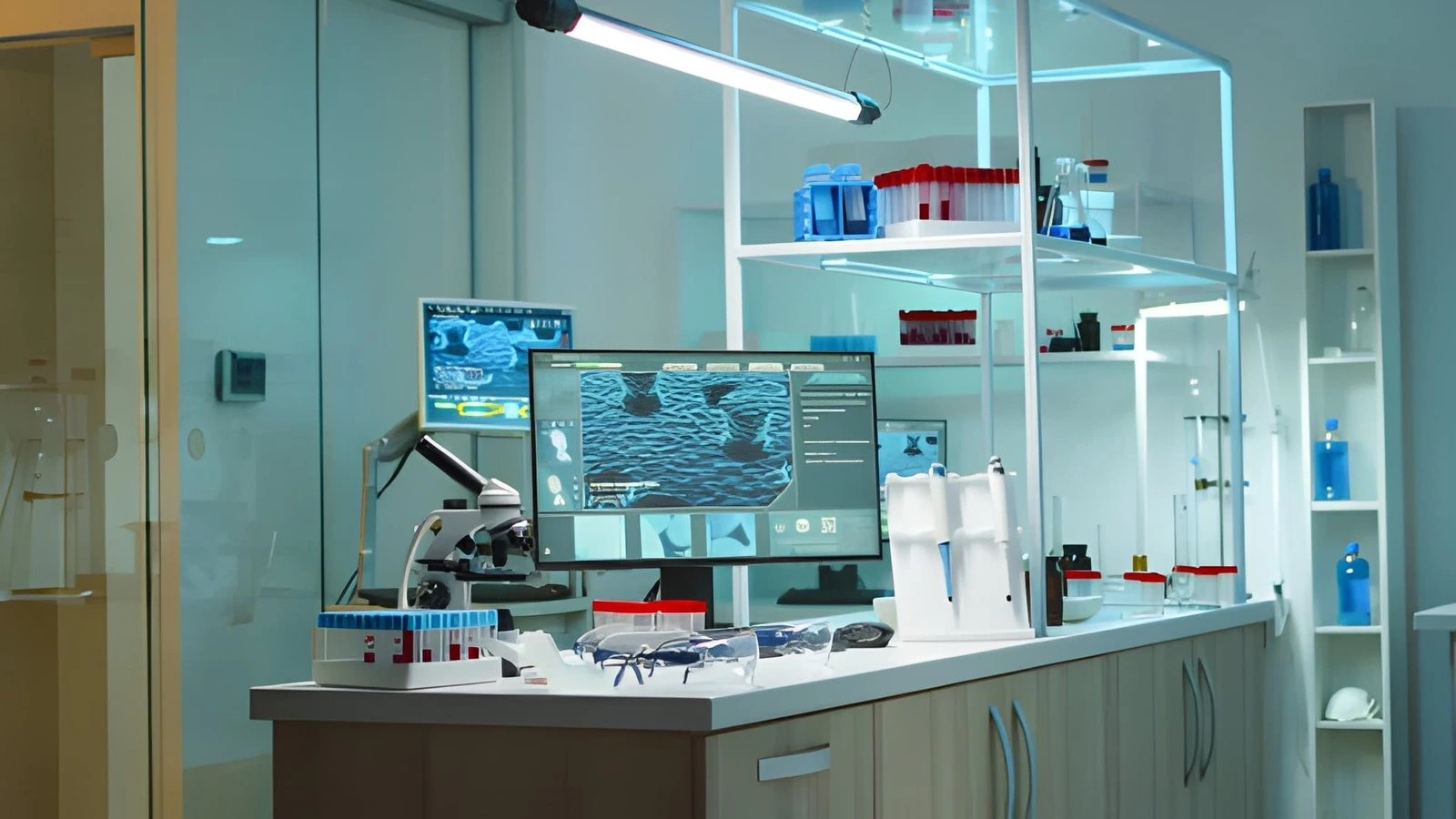
Choosing the right preclinical research partner is one of the most important decisions a MedTech company can make before moving a device, material, implant, instrument, or therapeutic technology closer to regulatory review and clinical use.
Preclinical research is not just about running a study. It is about asking the right questions, selecting the right model, designing a protocol that reflects the intended clinical application, documenting results clearly, and generating data that can support product development decisions.
For MedTech startups, device manufacturers, biotech innovators, engineers, surgeons, and regulatory teams, the right partner can help reduce uncertainty early. The wrong partner can create delays, incomplete data, protocol issues, or study results that do not answer the questions needed for the next stage of development.
IBEX Preclinical Research was founded in 2003 and provides preclinical testing services for pharmaceutical and medical device companies. Its experience includes experimental surgical studies, orthopedics, soft tissue and vascular surgery, non-surgical studies, drug toxicity, and PK studies. For MedTech companies that need reliable execution, clinically relevant models, and regulatory-ready documentation, IBEX offers the expertise needed to move complex studies forward.
What Does a Preclinical Research Partner Do?
A preclinical research partner helps companies evaluate the safety, performance, handling, feasibility, and biological response of a medical product before it is used in human clinical settings.
For medical device companies, this may include:
- Protocol design and study planning
- Animal model selection
- Surgical model development
- GLP preclinical studies
- Non-GLP feasibility studies
- Medical device preclinical testing
- Orthopedic preclinical testing
- Soft tissue and vascular procedures
- Advanced imaging and observation
- Data collection and documentation
- Bioskills and cadaver studies
- Physician training and procedural support
A strong preclinical CRO does more than provide lab space. It helps translate a MedTech company’s development goals into a study design that produces meaningful answers.
This is especially important when testing devices that involve implantation, tissue interaction, surgical handling, delivery systems, minimally invasive access, or physician technique. In these cases, study quality depends heavily on surgical expertise, model relevance, and precise execution.
Why the Right Partner Matters in MedTech Development
Medical device development often involves multiple stakeholders. Engineers may be focused on device performance. Surgeons may care about usability and procedural workflow. Regulatory teams need clear documentation. Investors want to understand risk. Product teams need confidence before moving toward the next milestone.
The right preclinical research partner helps connect all of those needs.
A well-planned study can help answer key questions such as:
- Does the device perform as intended in a clinically relevant model?
- Is the model appropriate for the anatomy, indication, or use case?
- Can the device be delivered, placed, deployed, or implanted consistently?
- Are there early safety concerns that need to be addressed?
- Does the study design support regulatory or development decisions?
- Are the results documented in a way that can be reviewed and defended?
The FDA reminds medical device companies that third-party-generated testing data should be carefully evaluated, and sponsors are responsible for ensuring submitted information is truthful and accurate. This makes partner selection especially important for MedTech teams preparing data for future submissions.
GLP Versus Non-GLP Study Capabilities
One of the first things MedTech companies should ask is whether the preclinical CRO can support both GLP and non-GLP studies.
GLP preclinical studies are designed to follow Good Laboratory Practice standards. These studies are often used when data may support regulatory submissions or formal safety evaluations. GLP work requires controlled processes, trained personnel, quality assurance, complete records, and clearly documented procedures.
Non-GLP studies are commonly used earlier in development. These studies may help teams evaluate feasibility, refine device design, compare prototypes, test procedural workflow, or identify design changes before investing in a formal GLP study.
Both study types are valuable, but they serve different purposes.
A MedTech company may begin with non-GLP feasibility work to refine the device and then move into GLP preclinical studies once the design, model, and endpoints are better defined. A strong partner can help determine when each study type makes sense and how early decisions may affect later regulatory needs.
Medical Device Testing Experience Should Be Specific

Not every preclinical research provider is equipped for complex medical device testing. MedTech companies should look for a partner with experience in the device category, procedure type, anatomy, and intended use case.
For example, orthopedic implants, soft tissue devices, delivery systems, vascular devices, surgical tools, and minimally invasive technologies each require different expertise. Device testing may involve implantation, fixation, navigation, imaging, tissue response, usability, deployment, or procedural training.
IBEX supports medical device testing for companies that need a partner capable of working with complex study designs, surgical models, and custom procedures. This is especially valuable for MedTech teams that need practical feedback on device handling, placement, and performance in a realistic research environment.
When evaluating a medical device testing partner, companies should ask:
- Has the team worked with similar devices or procedures?
- Can they support both feasibility and formal studies?
- Do they understand the surgical workflow behind the device?
- Can they help refine endpoints and documentation?
- Do they have experience with advanced models and imaging?
- Can they support communication between engineers, surgeons, and regulatory teams?
The more specialized the device, the more important this experience becomes.
Surgical Expertise and Model Selection Are Critical

Preclinical research is only as useful as the model behind it. If the model does not reflect the intended clinical use, the study may produce limited or misleading results.
Animal models in preclinical research should be selected based on anatomy, tissue type, device interaction, procedural access, healing response, and study goals. For some devices, a large animal model may be required. For others, a cadaver study, bench evaluation, or non-surgical study may be more appropriate.
Surgical expertise is especially important for MedTech device testing because poor technique can affect outcomes. A device may appear difficult to use because of the model, procedure, or operator setup rather than because of the product itself.
IBEX has experience in experimental surgical studies, orthopedic procedures, soft tissue surgery, vascular surgery, interventional work, minimally invasive studies, and custom procedure development. For companies developing implants, instruments, biologics delivery systems, or procedural technologies, this level of surgical capability can help produce more reliable and clinically relevant data.
For companies focused on musculoskeletal innovation, orthopedic preclinical testing may be especially important when evaluating implants, fixation systems, joint-related devices, bone healing, or surgical workflow.
Regulatory Ready Documentation and Data Quality
MedTech companies should also review FDA medical device guidance when planning preclinical studies, especially when determining what documentation, testing data, and regulatory expectations may apply to their device.
Strong preclinical data is not only about what happens during the study. It is also about how the study is planned, recorded, reviewed, and reported.
Regulatory-ready preclinical data should be:
- Traceable
- Complete
- Clearly organized
- Scientifically defensible
- Connected to the study protocol
- Supported by accurate observations
- Presented in a format that decision makers can review
The FDA provides guidance documents for medical devices that describe the agency’s interpretation or policy on regulatory issues, including topics related to device testing and submissions. MedTech companies should make sure their study planning is aligned with the appropriate regulatory pathway and documentation expectations.
A qualified preclinical CRO can help teams think through endpoints, sample size, observation periods, imaging needs, necropsy requirements, pathology, documentation, and reporting before a study begins.
This matters because missing data is often difficult or impossible to recreate after the fact. Good planning protects the value of the study.
Custom Study Design and Protocol Development
Many MedTech products do not fit into a standard testing template. New devices, novel delivery systems, unique implants, combination products, and first-in-category technologies often require custom preclinical studies.
A strong preclinical research partner should be able to help design a protocol around the company’s actual development questions, not force the device into a generic study structure.
Custom study design may include:
- Selecting the most appropriate model
- Defining the surgical approach
- Creating clinically relevant endpoints
- Planning imaging and observation points
- Determining GLP or non-GLP requirements
- Supporting prototype comparison
- Planning device handling assessments
- Coordinating physician involvement
- Creating a documentation plan
This is where experience matters. A partner that understands surgical workflows, regulatory expectations, and device development can help build a study that provides practical answers instead of basic observations.
Bioskills, Cadaver Studies, and Physician Training
Not every MedTech study needs to begin with a live animal model. In some cases, bioskills and cadaver studies can provide important early insight into device handling, placement, access, ergonomics, and physician technique.
Bioskills and cadaver studies may be useful for:
- Surgeon training
- Prototype evaluation
- Device placement practice
- Procedural workflow testing
- Sales and clinical education
- Design feedback from physicians
- Minimally invasive technique refinement
For MedTech companies preparing for product development, physician feedback can be extremely valuable. Surgeons and procedural specialists can identify handling issues, access challenges, or workflow concerns that may not be obvious during bench testing.
IBEX supports bioskills and cadaver studies, physician training, and custom procedural work, helping MedTech teams evaluate both the device and the way it may be used in real clinical environments.
Questions to Ask Before Choosing a Preclinical Research Partner
Before selecting a preclinical CRO, MedTech companies should ask practical questions that reveal the partner’s experience, flexibility, and quality systems.
Important questions include:
- Do you support both GLP and non-GLP studies?
- What types of medical device preclinical testing have you performed?
- Do you have experience with surgical model development?
- Can you help select the right animal model or cadaver model?
- Do you support orthopedic, soft tissue, vascular, or minimally invasive studies?
- Can your team help design custom preclinical studies?
- What documentation and reporting support do you provide?
- Do you offer advanced imaging or intraoperative observation support?
- Can physicians or product engineers be involved during the study?
- How do you protect data quality and study consistency?
The goal is to find a partner that can support both scientific execution and real-world development needs.
Why IBEX Is a Strong Partner for Preclinical Research
IBEX Preclinical Research brings together the experience, facilities, surgical capabilities, and study support MedTech companies need when developing medical devices and related technologies.
Founded in 2003, IBEX has supported pharmaceutical and medical device companies with preclinical research services across experimental surgical studies, orthopedics, soft tissue and vascular surgery, non-surgical studies, drug toxicity, PK studies, device testing, custom protocols, bioskills, cadaver work, and physician training.
For MedTech companies, this combination is valuable because device development often requires more than one type of expertise. A study may need surgical execution, model selection, protocol planning, advanced imaging, GLP compliance, documentation, and hands-on procedural support.
IBEX helps companies move forward with confidence by supporting studies that are carefully planned, expertly executed, and designed around the specific goals of the device.
Conclusion
Choosing a preclinical research partner is not just a vendor decision. It is a development decision that can affect timelines, regulatory readiness, investor confidence, product refinement, and clinical strategy.
MedTech companies should look for a partner with GLP and non-GLP capabilities, medical device testing experience, surgical expertise, appropriate animal model selection, custom study design, bioskills support, and regulatory-ready documentation.
For companies developing complex devices, implants, surgical tools, biologics delivery systems, orthopedic technologies, or minimally invasive solutions, IBEX Preclinical Research provides the experience and flexibility needed to support meaningful preclinical testing.
To discuss your next study, Contact IBEX Preclinical Research and connect with a team that understands the needs of MedTech innovators.
FAQ About Choosing a Preclinical Research Partner
What is a preclinical research partner?
A preclinical research partner is a specialized organization that helps companies plan, conduct, document, and evaluate studies before a product moves into clinical use. For MedTech companies, this may include medical device testing, animal model selection, GLP preclinical studies, surgical model development, cadaver studies, and regulatory-ready data collection.
How do MedTech companies choose a preclinical research partner?
MedTech companies should choose a partner based on experience, study capabilities, quality systems, model selection expertise, surgical skill, documentation standards, and ability to support custom study design. The best partner should understand both the technical product and the clinical environment where it may eventually be used.
Why is GLP important in preclinical research?
GLP is important because it helps ensure that study procedures, records, quality assurance, and reporting follow controlled standards. For studies that may support regulatory submissions, GLP preclinical studies can help improve data reliability, traceability, and review readiness.
What should be included in a preclinical medical device study?
A preclinical medical device study should include a clear protocol, defined objectives, appropriate model selection, endpoints, surgical or procedural methods, imaging requirements, observation timelines, data collection methods, documentation standards, and reporting expectations.
When should a company start planning preclinical testing?
Companies should start planning preclinical testing early in the development process, often before the final device design is locked. Early planning helps identify model requirements, feasibility questions, regulatory considerations, and design issues that may need to be addressed before formal testing.
What makes preclinical data useful for regulatory submissions?
Preclinical data are more useful when it is generated through a well-designed protocol, collected consistently, documented clearly, and aligned with the device’s intended use and regulatory pathway. Reliable data should help answer safety, performance, usability, or biological response questions that matter to reviewers and decision makers.