

Bioskills & Cadaver Studies
Overview
Human cadaver models provide an unparalleled opportunity to study medical devices in a realistic anatomical environment. These models bridge the gap between early prototype testing and clinical use, helping researchers validate safety, performance, and usability before entering the clinical phase.
Cadavers are valuable in medical device testing and IBEX can provide you with the optimal space, equipment and supplies to ensure a successful physician training or research and development study.
Why Cadaver Studies Matter in Preclinical Research
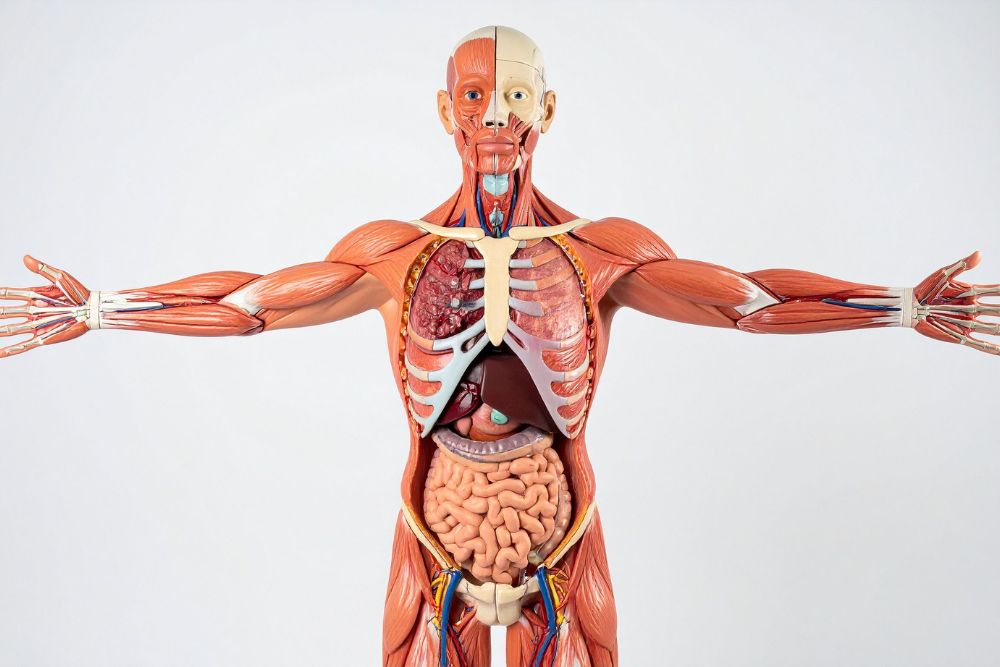
In a preclinical setting, cadaver studies can be used for medical device evaluations, physician trainings and clinician bioskills training. This aids in reducing the number of animals in research when valuable data or experience can be gained. Human cadaver studies allow engineers and developers to observe and research the muscles, bones and organs to ensure they are producing a device that can function properly in an anatomically relevant system.
Simulated computer programs often times make it difficult to assess actual sizing, navigation and function of the human body. Cadavers can be valuable in simulating standard surgical or interventional approaches using surgical supplies that would be utilized in the human operating room setting. Equipment such as c-arms, ultrasound, digital radiography, CT imaging, etc. can also be used for understanding device placement, interfacing of tissues and product feasibility.
Bridging the Gap Between Animal Models and Human Anatomy
Cadaver studies allow researchers to understand and assess the differences they can encounter when using an animal model. Animal models can have great similarities with organ size and structure, but maneuverability and placement of the device could be very different and cause a learning curve for physicians and researchers.
Cadaver studies can also assist in the creative and innovative process as having the exact anatomy in front of them may allow developers to assess how proficiency can be improved.
Ready to Discuss Your Preclinical Research Needs?
Let’s talk about your project, goals, and how we can support your device’s success.
Applications
Human cadaver studies are ideal for:
- Device design validation: Assessing fit, function, and ergonomics in true anatomical context.
- Procedure development: Refining surgical approaches and workflows.
- Training and education: Offering clinicians hands-on experience with new technologies.
- Regulatory support: Generating data that supports submission packages and risk analysis.
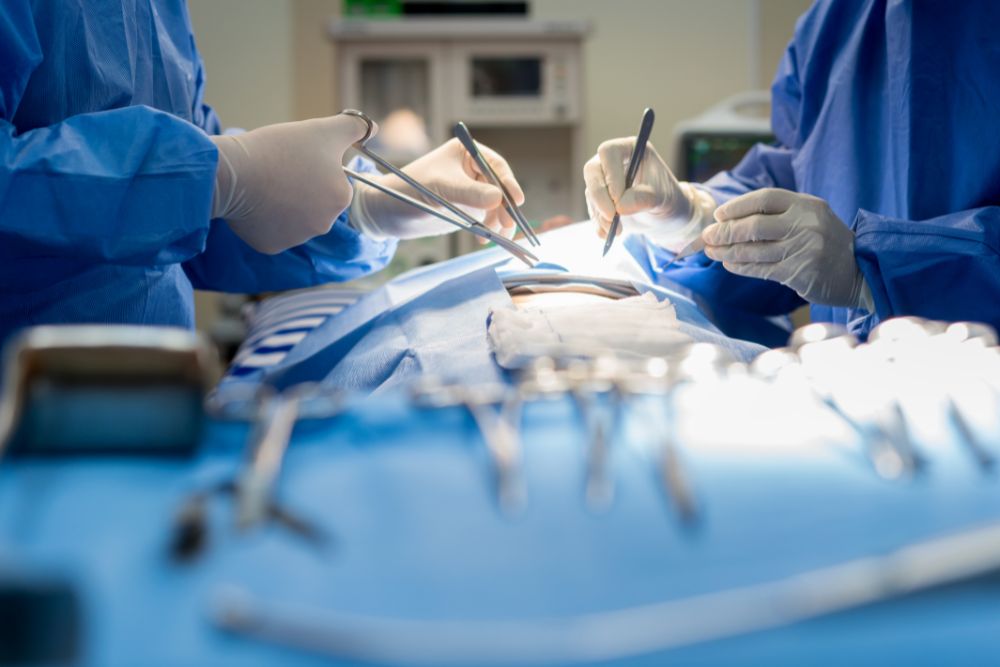
Enhancing Surgical Skill Through Hands-On Training
Working with a cadaver in terms of physician trainings can help improve their surgical technique allowing physicians to optimize the effectiveness of the device and provide them with a sense comfort and confidence that will translate into the operating room.
This will allow the patient to have a better, more improved post-operative recovery period and decreases the risk of complications post-surgery.
Our Capabilities
At IBEX Preclinical Research, our bioskills and cadaver study services combine advanced facilities, surgical expertise, and rigorous scientific methodology to ensure your study objectives are met with precision and professionalism. We offer many types of specimen from whole body, partial target tissue/organs, fresh or fixed tissues.
Why Work with IBEX?
Anatomical Accuracy
True human tissue provides the most realistic model for evaluating device interaction and surgical technique.

Ethical and Controlled Environment
All specimens are sourced and handled following strict ethical, legal, and biosafety guidelines.
Reduced Risk
Identifies potential design or procedural challenges prior to clinical trials.

Enhanced Product Confidence
Builds strong evidence of performance and usability for regulatory and market success.
Orthopedic Preclinical Research FAQs
What are cadaver studies used for in a preclinical research setting?
Cadaver studies support medical device evaluations, research and development studies, and physician or clinician bioskills training. They allow engineers and developers to assess human anatomy—including muscles, bones, vessels, and organs—in a realistic environment, helping validate device sizing, navigation, placement, and overall functionality.
How do cadaver studies reduce the need for animal testing?
Because cadaver studies provide anatomically accurate insights into human structure and surgical access, they can often replace or reduce the number of animals required in early research phases. They also help researchers identify potential challenges that animal models may not reveal due to differences in maneuverability, placement, and anatomical variation.
Why are cadaver studies valuable for physician training?
Cadaver-based training allows physicians to practice surgical techniques, understand device interaction with real human anatomy, and build confidence before entering the operating room. This hands-on experience helps optimize device use, reduces procedural learning curves, and supports improved post-operative outcomes for future patients.
What resources does IBEX provide for cadaver-based studies or trainings?
IBEX offers fully equipped lab space, surgical tools, imaging capabilities (such as C-arms, ultrasound, CT, and digital radiography), and the required supplies to conduct successful cadaver studies. Whether for device testing, physician training, or R&D, IBEX provides the environment and support needed for high-quality, compliant cadaver work.
Preclinical Research Services
Let’s Start the Conversation
Experience, speed, and compliance — all in one facility.
- (435) 752-4448
- [email protected]