
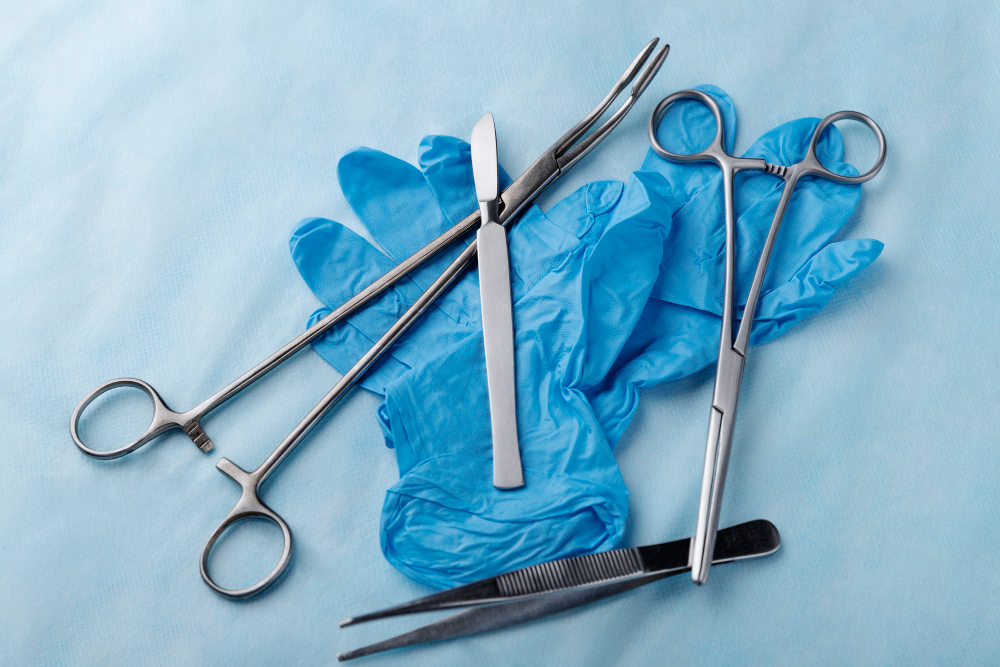
In critical care settings, every second counts, and the quality of surgical equipment can mean the difference between life and death. From trauma surgeries to complex cardiovascular procedures, clinicians rely on tools that deliver precision, durability, and reliability under immense pressure.
High-performance surgical equipment not only provides advanced technology when it matters but also safeguards patient outcomes when the stakes are highest.
Let’s learn more.
Key Takeaways
- High-performance surgical equipment is indispensable in settings where critically ill patients' survival often depends on swift and precise action.
- It ensures accuracy, reliability, and efficiency for medical teams while reducing complications and improving outcomes for patients.
1. Precision in High-Stakes Procedures
Critical care surgeries often involve delicate, time-sensitive interventions. Whether repairing a ruptured blood vessel or stabilizing a compound fracture, surgical equipment must enable maximum precision. High-performance instruments reduce the risk of human error, improve accuracy in incisions or sutures, and support surgeons in navigating complex anatomical structures.
2. Reliability Under Pressure
In emergencies, equipment failure is not an option. Quality surgical tools are engineered for reliability and consistency, even in demanding environments. Instruments made with superior materials resist wear, maintain sharpness, and ensure smooth functionality. This reliability helps surgical teams maintain confidence and focus during critical procedures.
3. Supporting Speed Without Compromising Safety
Critical care medicine often require a balance of speed and safety. Surgical devices are designed to streamline workflows, allowing surgeons to act quickly while maintaining control. For example, advanced electrosurgical units or powered surgical tools can help reduce operating times, minimize blood loss, and improve patient recovery rates.
4. Reducing Complications and Improving Outcomes
The use of poorly performing or outdated equipment increases the risk of complications such as infections, excessive bleeding, or prolonged recovery. High-performance surgical tools, on the other hand, are designed with ergonomics, sterilization, and efficiency in mind. This focus reduces complications and improves overall patient outcomes, which are crucial factors in critical care environments where patients are most vulnerable.
5. Enhancing Team Efficiency
Critical care is a team effort, involving surgeons, anesthesiologists, nurses, and technicians. Superior equipment improves workflow integration, reduces delays caused by malfunction or recalibration, and ensures that every team member can perform at their best. In time-sensitive surgeries, this efficiency can directly translate into saved lives.
6. Driving Innovation in Patient Care
As surgical technology evolves, enhanced equipment brings new possibilities for critical care. From robotic-assisted systems to minimally invasive tools, innovation allows for less invasive procedures, faster recovery times, and better patient experiences. Hospitals that invest in advanced surgical equipment position themselves at the forefront of patient care.
Advance Surgical Innovation with Quality Preclinical Research
Partner with IBEX Preclinical Research for high-quality testing and validation of surgical equipment that will guarantee precision, reliability, and safety in critical care settings. Our expert team conducts rigorous preclinical research to help you meet regulatory standards, minimize risk, and bring innovative surgical technologies to market faster. Contact us today to explore our preclinical research services.