
Spinal fusion is one of the most common surgical procedures used to treat spinal instability, chronic back pain, and certain deformities. Among the different techniques, posterolateral spinal fusion (PLF) is widely performed because of its effectiveness in stabilizing the spine. Like any surgical procedure, it carries both benefits and risks, and an in-depth analysis of these can help patients and caregivers make informed decisions.
Key Takeaways
- Posterolateral spinal fusion stabilizes the spine by using bone grafts and hardware to permanently join vertebrae.
- The procedure is commonly used to treat spinal instability, deformities, stenosis, and chronic back pain when conservative treatments fail.
- Benefits include improved stability, pain relief, and correction of deformities, though success depends on proper fusion and recovery.
What Is Posterolateral Spinal Fusion?
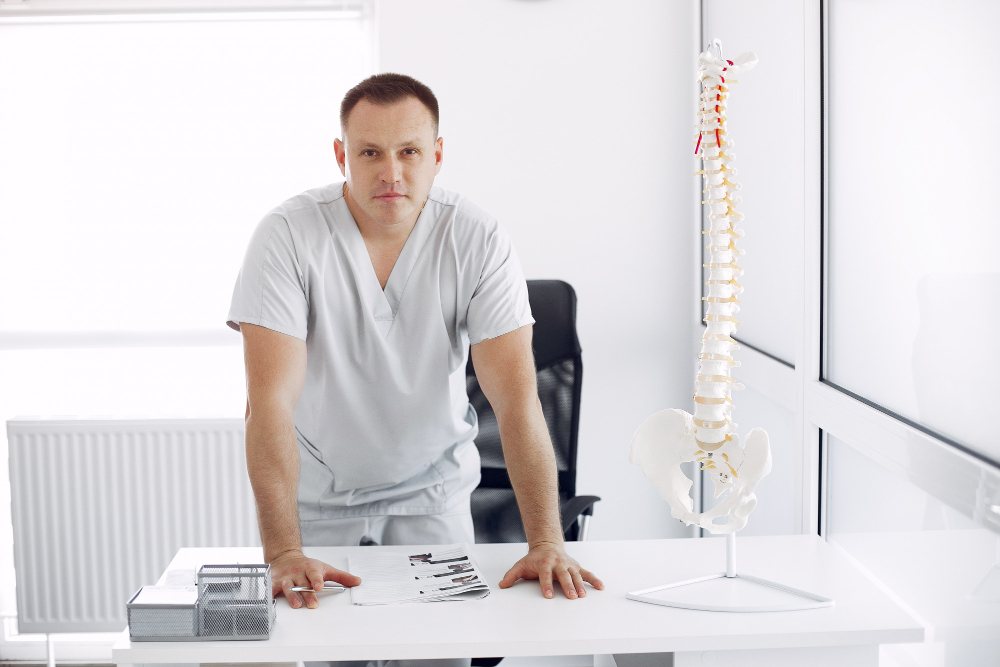
Posterolateral spinal fusion is a surgical technique designed to permanently join two or more vertebrae in the spine. Surgeons place bone graft material between the transverse processes (the small bony projections on the sides of the vertebrae). Over time, this graft material stimulates bone growth, fusing the vertebrae into a single solid unit.
Often, surgeons will use metal rods, plates, or screws to hold the spine in proper alignment during the fusion process. Bone grafts may come from the patient’s own body (autograft), a donor (allograft), or synthetic substitutes designed to promote bone growth.
Conditions Treated with Posterolateral Spinal Fusion
Posterolateral spinal fusion is commonly recommended for:
- Spinal instability due to degenerative disc disease or trauma.
- Scoliosis or spinal deformities requiring stabilization.
- Spinal stenosis, when decompression surgery creates instability.
- Spondylolisthesis, where one vertebra slips forward over another.
- Chronic back pain unresponsive to conservative treatments.
Benefits of Posterolateral Spinal Fusion
- Improved Stability
By fusing unstable vertebrae, PLF provides long-term stability, reducing abnormal motion that causes pain.
- Pain Relief
Many patients experience significant relief from chronic back or leg pain once the unstable section of the spine is fused.
- Correction of Deformities
PLF can help correct abnormal spinal curves, restoring better posture and balance.
- Versatility
This method can be combined with other surgical techniques, such as a laminectomy, for patients with multiple spinal conditions.
- Proven Success
With decades of use, PLF has established itself as a reliable and widely practiced spinal surgery.
Risks and Potential Complications
As with any surgery, PLF carries risks that patients should carefully consider:
- Non-Union (Failed Fusion) — The bone graft may not successfully fuse, requiring revision surgery.
- Infection — As with all surgeries, there is a risk of infection at the surgical site.
- Nerve Damage — Nearby nerves may be irritated or injured during surgery, leading to pain, numbness, or weakness.
- Hardware Complications — Screws, rods, or plates may shift, break, or loosen over time.
- Reduced Flexibility — Fusion eliminates movement at the fused segment, which may put additional stress on adjacent vertebrae.
- Pain Persistence: While many patients find relief, some may continue to experience back or leg pain.
Recovery and Rehabilitation
Recovery from posterolateral spinal fusion can take several months, with full bone healing sometimes requiring a year or more. Key elements of recovery include:
- Activity restrictions to allow proper fusion.
- Physical therapy to strengthen the surrounding muscles and restore mobility.
- Follow-up imaging to monitor fusion progress.
- Healthy lifestyle choices, such as not smoking and maintaining good nutrition, which support bone healing.
Posterolateral Spinal Fusion Research With IBEX
At IBEX, we provide comprehensive preclinical research to evaluate the safety, effectiveness, and long-term outcomes of posterolateral spinal fusion procedures. Our team of skilled surgeons delivers the biomechanical testing, imaging, and histological analysis you need to validate fusion techniques and materials.
Partner with IBEX to accelerate innovation, reduce risk, and bring trusted spinal solutions to patients worldwide.