
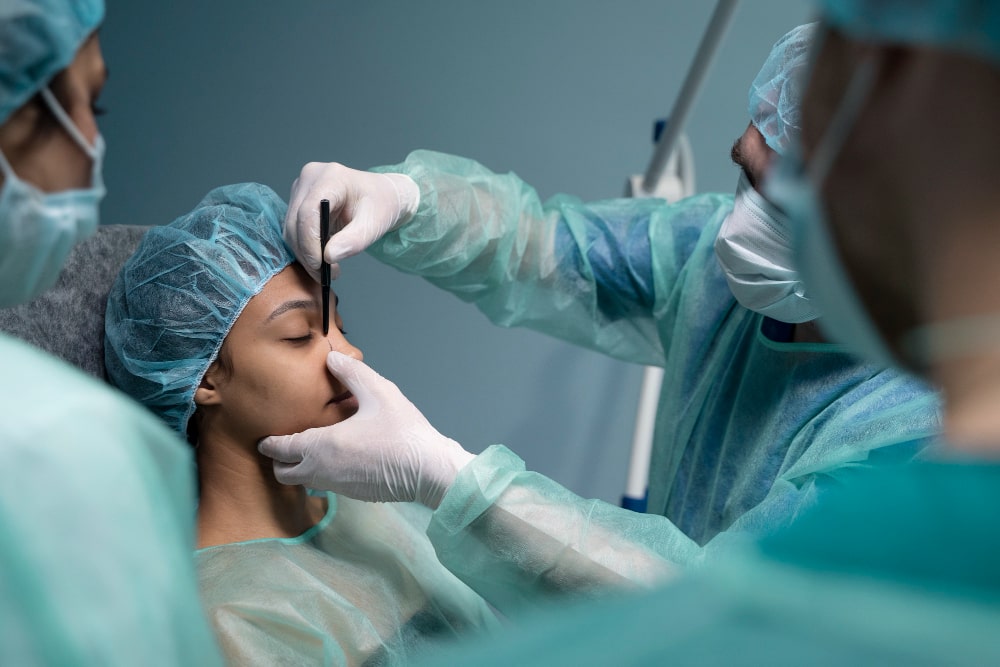
Soft tissue surgery encompasses procedures that involve muscles, tendons, and ligaments. From trauma repair to cancer excision and reconstructive surgery, these procedures help restore function, minimize discomfort, and improve quality of life. In recent years, groundbreaking innovations have transformed soft tissue surgery, enhancing precision, reducing recovery times, and improving overall outcomes.
Here’s a look at some of the most exciting advancements driving better patient care in soft tissue surgery.
Key Takeaways
- The standard of care in soft tissue surgery has experienced a consistent and positive shift, thanks to numerous techniques and innovations.
- Minimally invasive and robotic-assisted techniques, real-time imaging, regenerative medicine, and biologic materials ensure that patients recover faster, experience fewer complications, and enjoy better long-term results.
Table of Contents
- Minimally Invasive Techniques: Smaller Incisions, Bigger Impact
- Advanced Imaging and Navigation Tools
- Laser and Energy-Based Technologies
- Regenerative Medicine and Biologic Implants
- Smart Sutures and Surgical Adhesives
- The Future of Soft Tissue Surgery
- Partner With IBEX For Soft Tissue Surgery Innovation Preclinical Research
1. Minimally Invasive Techniques: Smaller Incisions, Bigger Impact
The rise of minimally invasive techniques, such as laparoscopic and robotic-assisted surgeries, has revolutionized soft tissue procedures. By using tiny incisions and specialized instruments, surgeons can operate with exceptional precision while minimizing damage to surrounding tissues. This approach reduces the risk of infection, shortens hospital stays, and leads to quicker recovery times.
Robotic systems, like the da Vinci Surgical System, offer even greater dexterity and visualization, allowing surgeons to perform complex soft tissue procedures with improved accuracy and control.
2. Advanced Imaging and Navigation Tools
High-resolution imaging technologies such as 3D CT scans, MRI, and intraoperative ultrasound are enabling more precise diagnosis and surgical planning. These tools allow surgeons to visualize internal structures in real time and map out exact incision sites, making surgeries safer and more effective.
Image-guided navigation systems also reduce the risk of damaging critical structures and ensure complete removal of diseased tissue, especially in oncological surgeries.
3. Laser and Energy-Based Technologies
Energy-based devices such as lasers, ultrasonic scalpels, and radiofrequency tools are becoming increasingly common in soft tissue surgery. These technologies allow for precise cutting and coagulation with minimal thermal damage, reducing bleeding and improving healing times.
For example, CO2 lasers are particularly useful in delicate procedures, such as oral and dermatological surgeries, where traditional scalpels might be too invasive.
4. Regenerative Medicine and Biologic Implants
Soft tissue surgery is also benefiting from the growing field of regenerative medicine. Surgeons are now using biologic scaffolds, platelet-rich plasma (PRP), and stem cell therapies to enhance healing and tissue regeneration.
Biologic mesh implants, used in hernia repairs and reconstructive surgeries, provide better integration and lower rejection rates compared to synthetic materials. These innovations promote faster healing and reduce complications such as infection or adhesion formation.
5. Smart Sutures and Surgical Adhesives
Traditional sutures are being replaced or supplemented with next-generation materials that promote healing and reduce infection. Smart sutures embedded with sensors can monitor wound healing and detect early signs of infection or stress.
Additionally, advanced surgical adhesives and sealants are offering alternatives to sutures in certain soft tissue repairs, reducing scarring and improving cosmetic outcomes.
The Future of Soft Tissue Surgery
As technology continues to evolve, soft tissue surgery is poised for even greater transformation. The integration of artificial intelligence and machine learning into surgical planning and robotic systems, for instance, promises greater consistency and decision support.
3D bioprinting may one day allow for the creation of patient-specific tissue grafts, while wearable sensors and digital health tools will enhance post-operative monitoring and care.
What remains constant is the goal: to improve surgical outcomes through innovation, precision, and patient-centered care. The future of soft tissue surgery is not just about cutting-edge tools; it’s about delivering better healing, better function, and better lives.
Partner With IBEX For Soft Tissue Surgery Innovation Preclinical Research
Work with IBEX Preclinical Research to access expert, GLP-compliant soft tissue surgery models tailored to your study needs. Our state-of-the-art facilities, rigorous protocols, and commitment to scientific integrity ensure reliable, reproducible results. Contact us today to guarantee consistent, high-quality results that accelerate your research outcomes.