
When it comes to healing after a serious bone injury or orthopedic surgery, two factors often stand at the center of discussion: the skill of the orthopedic surgeon and the body’s ability to regenerate bone. Both play vital roles in recovery, but patients and healthcare providers alike may wonder, which is more critical?
The truth is, the answer isn’t as simple as choosing one over the other. Instead, understanding how these two elements work together can provide clarity on the path to optimal recovery.
Key Takeaways
- Recovery from bone injury or orthopedic surgery is not an either/or equation as both are interdependent.
- Surgery provides the framework, while bone regeneration fills it in; one cannot achieve optimal recovery without the other.
- Combining expert surgical care with strategies that support natural bone healing leads to the best outcomes.
The Role of the Orthopedic Surgeon
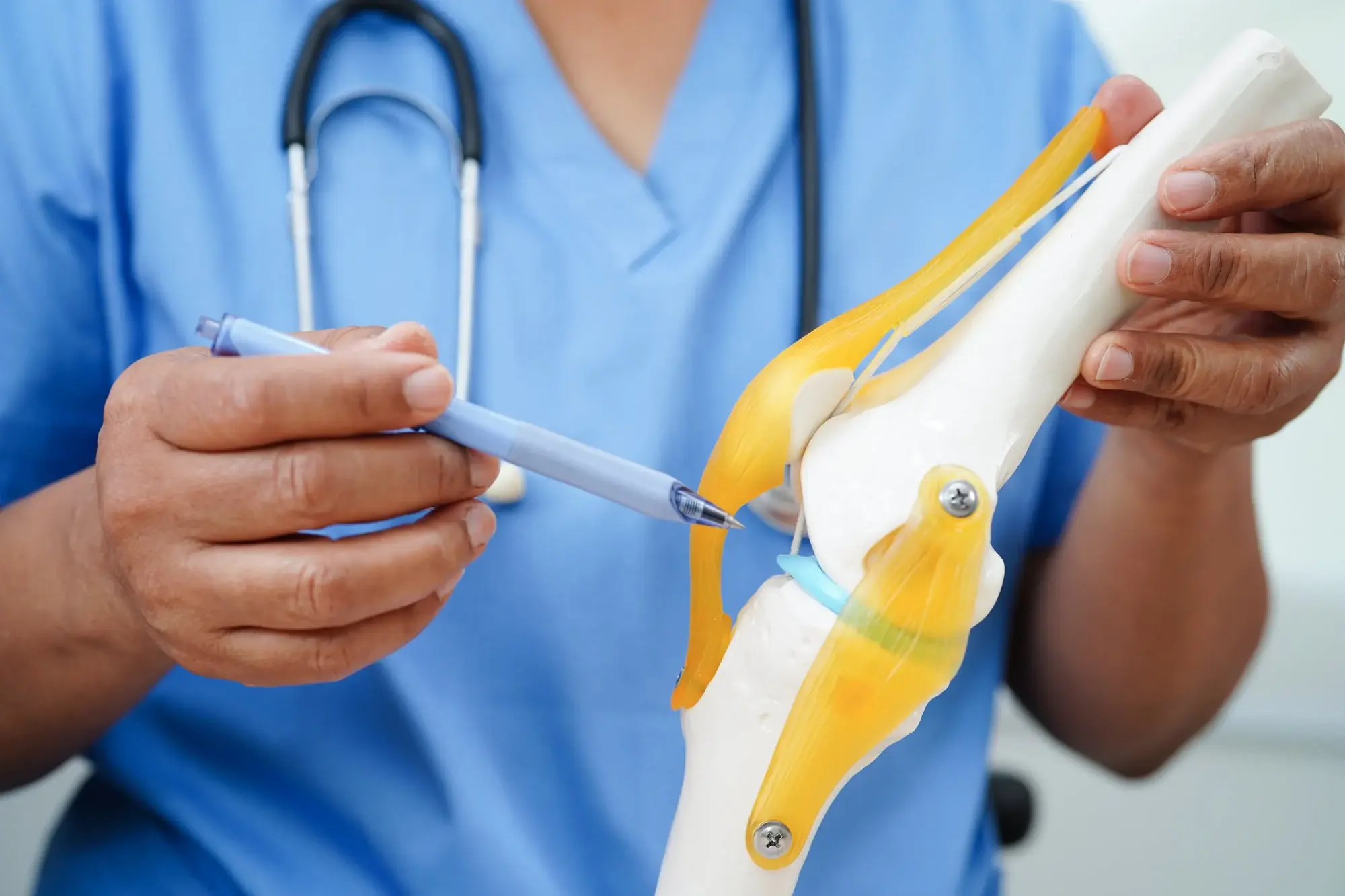
A highly skilled orthopedic surgeon is the cornerstone of effective treatment. From fracture repair and joint replacement to spinal surgery and corrective procedures, the surgeon’s expertise directly impacts outcomes.
Key aspects of their role include:
1. Accurate Diagnosis & Planning — The surgeon determines the extent of the injury and selects the most effective surgical approach.
2. Precision in Technique — Surgical accuracy reduces complications, ensures proper alignment, and supports faster healing.
3. Use of Advanced Technology — The best surgeons leverage robotics, minimally invasive techniques, and customized implants to improve outcomes.
4. Post-Operative Guidance — Beyond the operating room, surgeons design tailored recovery plans, including physical therapy and follow-ups.
Without skilled surgical intervention, even the most biologically capable body may struggle to recover fully or correctly.
The Importance of Bone Regeneration
While the surgeon repairs and stabilizes, the body itself must regenerate bone tissue for true recovery to occur. Bone regeneration is a natural biological process influenced by many factors, such as:
- Age and Health: Younger patients often heal faster, whereas conditions such as osteoporosis or diabetes can slow down regeneration.
- Nutrition & Lifestyle: Adequate calcium, vitamin D, protein, and avoiding smoking or excessive alcohol consumption support healing.
- Biological Enhancements: In modern medicine, bone grafts, stem cells, and growth factors are increasingly used to accelerate regeneration.
- Blood Supply & Stability: Adequate circulation and proper stabilization of the fracture or implant site are essential for bone to regrow effectively.
Even the most skilled surgery will fail without the body’s ability to regenerate bone, making this process equally critical.
Which Is More Crucial?
The debate isn’t about choosing between the surgeon’s skill and bone regeneration; it’s about how these factors complement one another:
1. Surgeon as the Architect — The best orthopedic surgeon ensures the framework is perfectly set.
2. Body as the Builder — Bone regeneration fills in that framework to achieve lasting strength and mobility.
If either element is weak, recovery suffers. For example, a flawless surgery cannot overcome severely impaired healing capacity, while strong regenerative potential may be wasted without proper surgical alignment.
Striking the Balance for Optimal Recovery
For patients, the best outcomes come from combining top surgical expertise with strategies that support bone regeneration. This may include:
- Selecting an experienced orthopedic surgeon with a track record in your specific condition.
- Following nutrition, exercise, and rehabilitation protocols to enhance bone healing.
- Exploring advanced treatments such as biologics, bone grafting, or regenerative medicine when recommended.
- Maintaining realistic expectations as healing is a partnership between medical science and natural biology.
5. How Preclinical Research Drives Funding and Partnerships
Strong preclinical data doesn’t just advance your product; it also strengthens your startup’s value proposition. Investors, strategic partners, and larger pharmaceutical companies are far more likely to back ventures with validated preclinical evidence supporting their innovations.
Partner with IBEX for Advanced Bone Regeneration Preclinical Research
Unlock the full potential of your bone regeneration innovation with IBEX Preclinical Research. Our AAALAC-accredited facility combines advanced in vivo models, precise osteoinductivity assessment, and cutting-edge imaging delivered by veterinary surgeons to support robust, reproducible data for bone regeneration studies. Connect with us to design your next-level bone regeneration study.